Date: 26-Jul-2026
Location: Satyam Community Centre
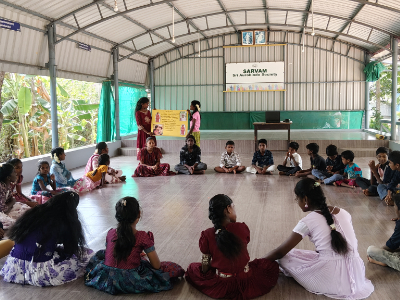
On 26 July 2026, SARVAM organised a Public Transport Etiquette Awareness Training Programme at the Satyam Community Centre for approximately 300 students from 10 villages. The programme aimed to cultivate responsible travel habits, promote respect for fellow passengers and encourage the responsible use of public transport facilities. By instilling civic values at an early age, the initiative sought to develop considerate, disciplined and socially responsible young citizens.
The sessions were designed to be interactive, engaging and age-appropriate, enabling students to understand the importance of courteous behaviour while travelling by bus and other forms of public transport. Participants were introduced to essential public transport etiquette, including offering seats to elderly people, pregnant women, persons with disabilities and adults carrying young children, sharing seating space respectfully, standing near the exit only when preparing to alight, carrying luggage responsibly, speaking softly, avoiding loud phone conversations and refraining from consuming strong-smelling food during travel. Students also learnt the importance of respecting fellow passengers’ privacy, maintaining personal hygiene by covering their mouth and nose while coughing or sneezing, and protecting public property by avoiding vandalism and maintaining cleanliness.
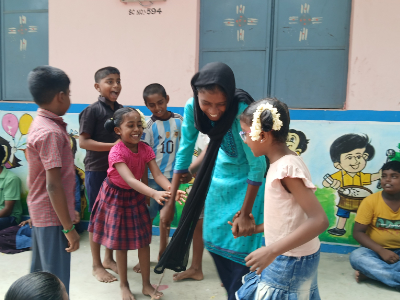
To make the learning experience enjoyable and memorable, the programme incorporated a variety of participatory activities, including stories, songs, games, role plays and group discussions. Real-life stories illustrated the values of empathy, kindness and civic responsibility, while action songs reinforced key messages in an engaging manner. Students enthusiastically participated in role-play exercises that demonstrated appropriate behaviour in common public transport situations. Interactive quizzes and group discussions further encouraged them to reflect on their daily travel habits and commit themselves to practising responsible and respectful conduct.
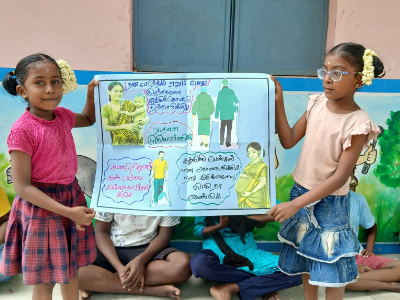
The programme received an enthusiastic response, with students actively participating in every activity and demonstrating a clear understanding of the principles of good public transport etiquette. The sessions strengthened their awareness of civic responsibility, mutual respect and the importance of preserving public facilities for the benefit of all. Participants left with a renewed sense of responsibility and a greater appreciation of the role they can play in creating a safe, pleasant and respectful public transport environment.
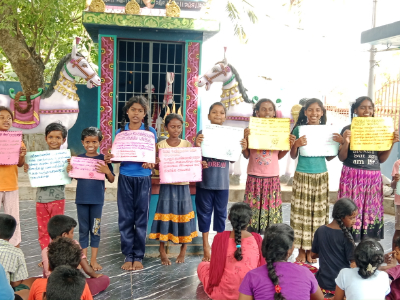
Overall, the programme successfully achieved its objective of fostering responsible travel behaviour and civic consciousness among school children through engaging, experiential learning methods. By combining practical knowledge with interactive activities, the initiative encouraged students to become courteous commuters and responsible citizens who contribute positively to their communities.