
Date: 22-Feb-2026
Location: 10 Project villages
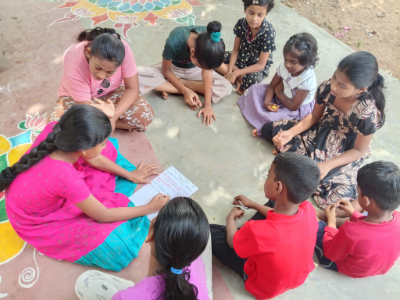
On 22 February 2026, SARVAM conducted an activity-based workshop titled “Screen Time Balance – Let’s Play Outside!” across ten project villages, engaging approximately 300 students in an interactive and reflective learning experience. The primary objective of the workshop was to create awareness among students about the importance of maintaining a healthy balance between screen time and outdoor play, while encouraging responsible lifestyle choices.
The session commenced with an engaging ice-breaker activity in which students reflected on their daily habits by sharing the amount of time they spent watching television, using mobile phones, and playing outdoors. In a dynamic exercise, students physically positioned themselves on sides representing “More Screen Time” or “More Play Time,” prompting self-assessment and open discussion. The facilitator emphasised the importance of moderation and a balanced routine for overall well-being.
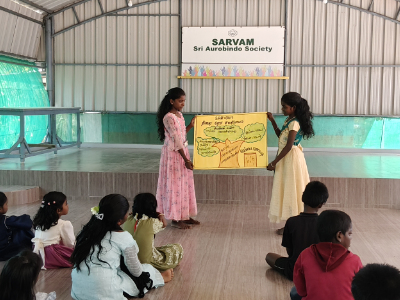
The workshop progressed with a group-based competition titled the “Benefits and Drawbacks Challenge.” One group identified the negative effects of excessive screen exposure, while the other highlighted the physical, emotional, and social benefits of outdoor play. This activity fostered teamwork, analytical thinking, and collaborative discussion. A role-play segment followed, portraying two contrasting daily routines of a student—one dominated by screen usage and the other incorporating outdoor activities and balanced habits. Through guided reflection, students collectively examined which lifestyle was healthier and more fulfilling.
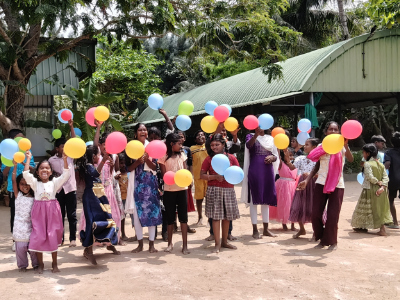
To reinforce experiential learning, students participated in short outdoor games, including running races and ball-throw activities. Following these exercises, many shared that they felt energised, joyful, and refreshed. The “My Balance Chart” activity further enabled students to design a simple daily schedule that allocated time for studies, play, screen usage, and sleep. This exercise encouraged time management skills and conscious decision-making.
The workshop concluded with a meaningful gratitude segment titled “Gratitude for Nature.” Students spent a few quiet moments observing their natural surroundings and reflecting on the gifts nature provides—air, water, sunlight, and trees. They expressed their appreciation by creating small “Thank You” notes to nature. The programme ended with a collective pledge to reduce unnecessary screen time, engage in daily outdoor play, and adopt healthier living practices. Overall, the workshop successfully promoted physical well-being, emotional awareness, responsible habits, and a sense of gratitude among students.